
Spider web strands hold beads of dew like stings of pearls. The drops cling to the sticky material that spiders place at intervals along their webs to capture prey.
Nikon D600, Sigma 105mm macro lens, ISO 640, f/8, 1/1000″ exposure

Spider web strands hold beads of dew like stings of pearls. The drops cling to the sticky material that spiders place at intervals along their webs to capture prey.
Nikon D600, Sigma 105mm macro lens, ISO 640, f/8, 1/1000″ exposure
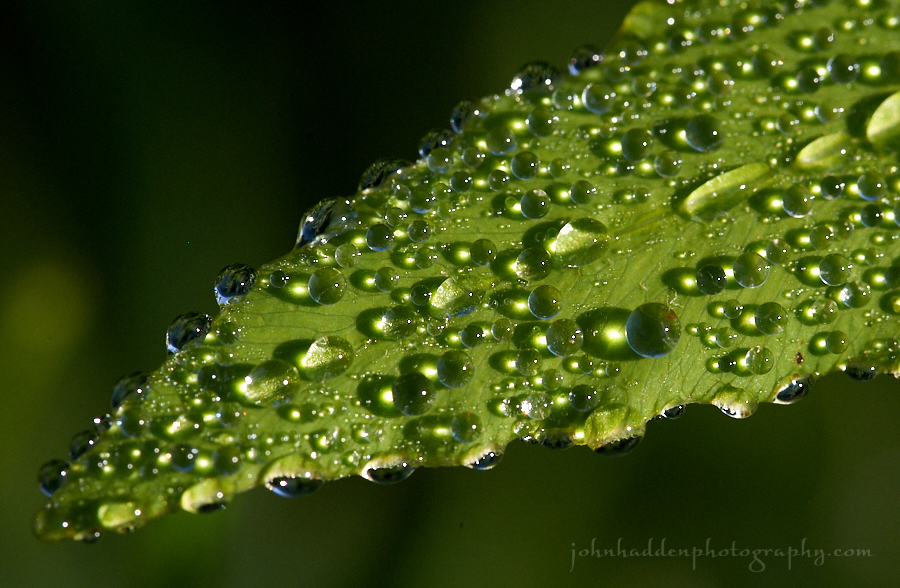

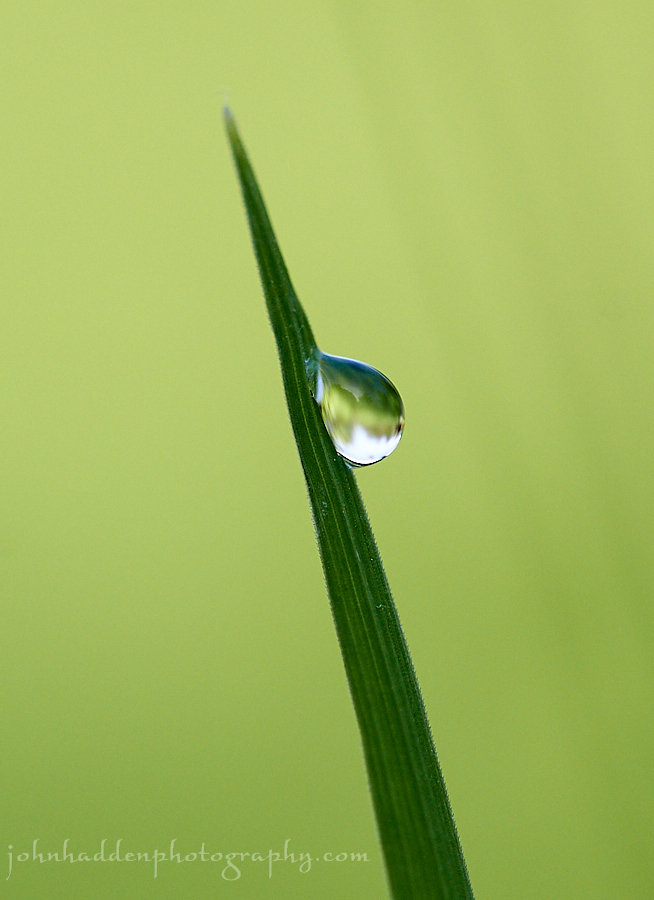
Morning dew forms perfect beads of water on the tip of a sensitive fern leaf.
Nikon D600, Sigma 105mm macro lens, ISO 1250, f/16, 1/500″ exposure.
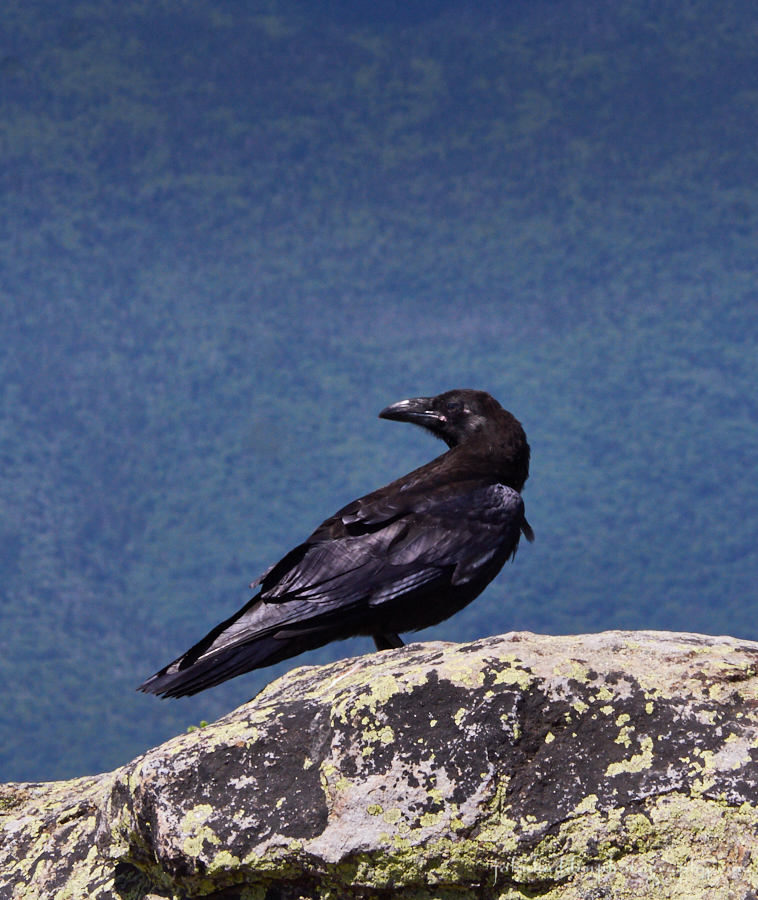

I hike the Franconia Ridge in the White Mountains the other day. Two ravens were mingling with the other hikers atop Little Haystack Mountain looking for dropped food or handouts—no doubt a pretty reliable source of food for the birds. Ravens are very intelligent birds (like all corvids including crows and jays). I got the impression that these two birds hung out on the summits a lot as they were quite used to people (not necessarily a good thing…) They let me get within about 3′ of them!
Panasonic GX8, Lumix 14-140mm lens @ 140mm, ISO 800, f/18, 1/400″ exposure.
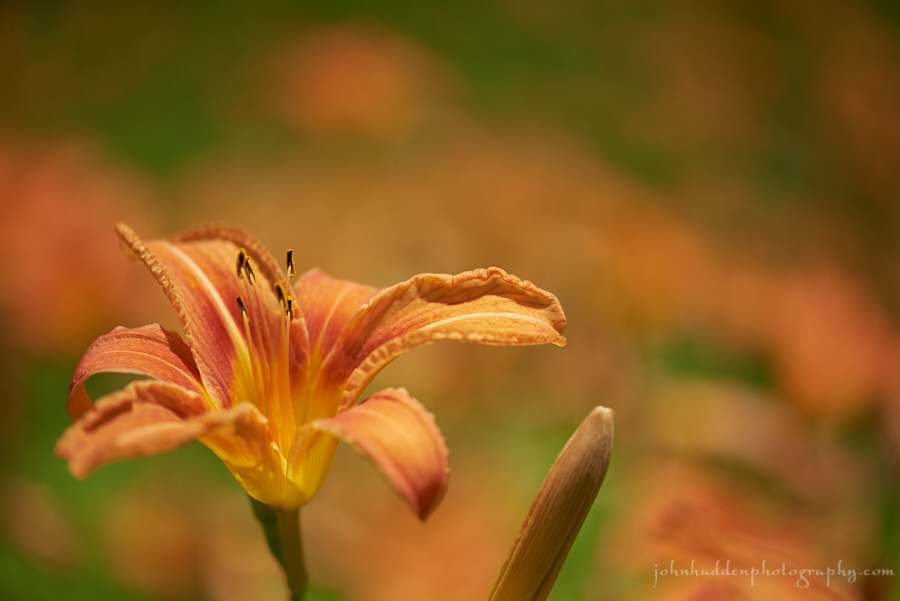
Daylilies are in bloom now and the bank of naturalized blossoms along East Street are putting on a good show!
Nikon D600, Sigma 105mm macro lens, ISO 200, f/3.3, 1/4000″ exposure
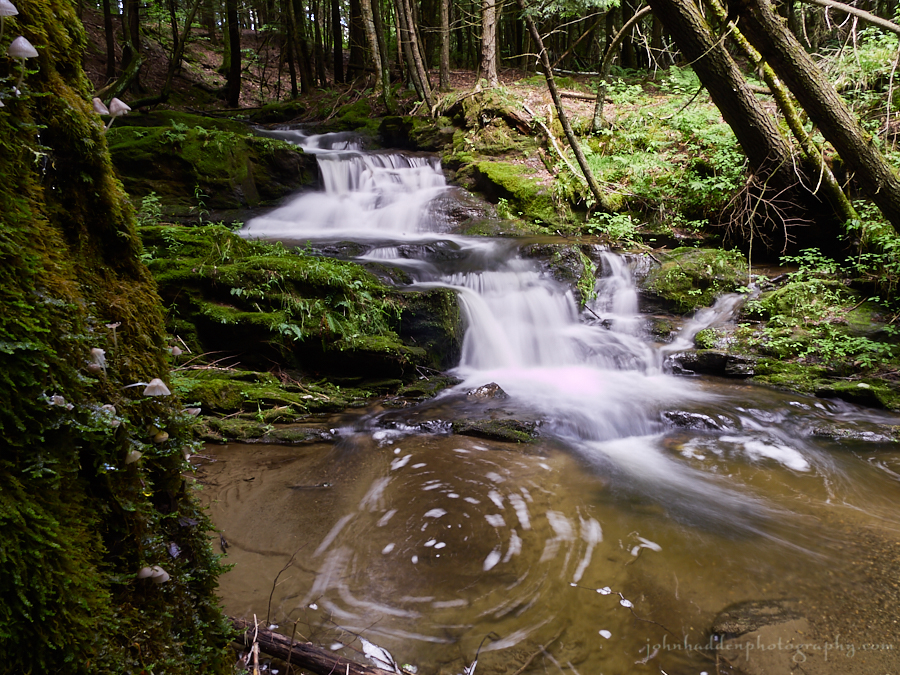
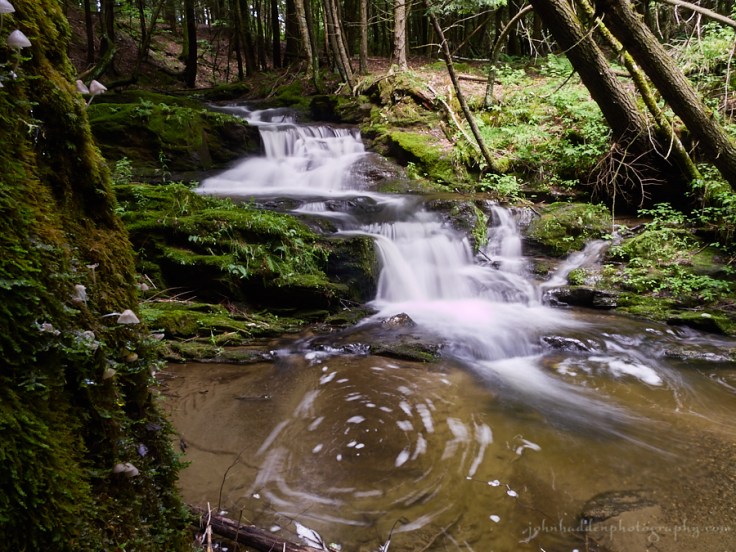
There’s an unnamed brook that cascades down from Taft Road to the Huntington River. There are a series of small waterfalls and cascades along it all under the cover of a mature hemlock forest. This falls had no name so I took the liberty of dubbing it “Hemlock Falls”.
While scoping the site for the best angle, I noticed the tiny mushrooms growing on a hemlock trunk. I framed the shot and cranked down the aperture to get everything in focus. The lighting was tricky for this shot as well. It was just past midday on a partly cloudy day, and a hole in the dense canopy was allowing sunlight to fall directly on the water and right side of the scene. I had to wait for clouds to cover the sun to get any kind of worthwhile shot.
Panasonic GX8, Lumix 14-140mm lens @ 14mm, ISO 100, f/22, 2″ exposure.


Fragrant rugosa roses are blooming in many locations around our property. This hearty and aggressively spreading perennial shrub can sometimes be a bit invasive, but I’ll take the sweet smell and bright blooms!
Nikon D600, Sigma 105mm macro lens, ISO 800, f/16, 1/1600″ exposure.

If you slow down, take your time, keep your eyes open, you just might see something special…
Nikon D600, Sigma 105mm macro lens, ISO 800, f/4.8, 1/2000″ exposure
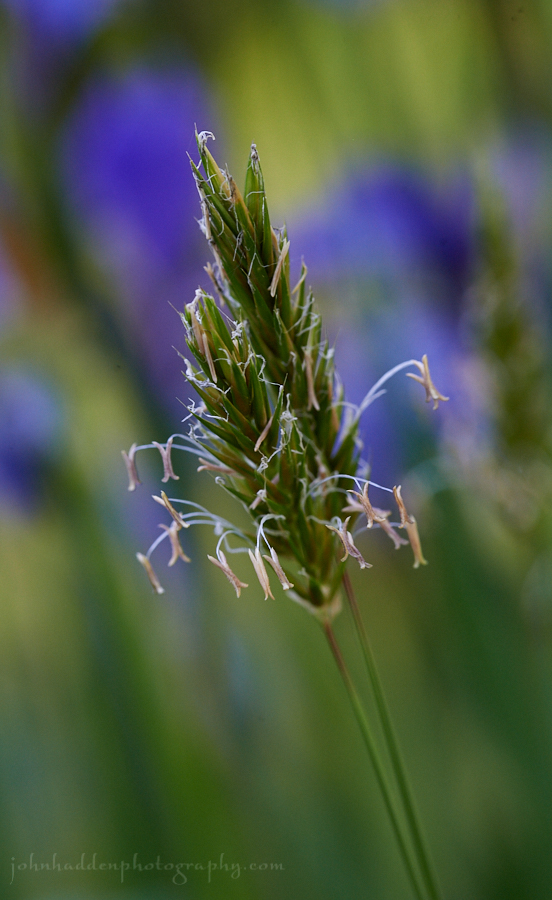
I’m always amazed at what is revealed when you get in close to a subject. From a distance (and without my reading glasses on…) these rye grass stems (please correct me if I’m wrong on the ID) don’t look like much. But on closer inspection, the tiny flowerettes reveal themselves. A shallow depth of field blurs the irises that were blooming behind.
I’ve been using my full frame Nikon again recently along with a wonderful Sigma 105mm macro lens. I’d kind of forgotten what wonderful photos this setup can take, especially with the magic bokeh!
Nikon D600, Sigma 105mm macro, ISO 800, f/11, 1/100″ exposure.

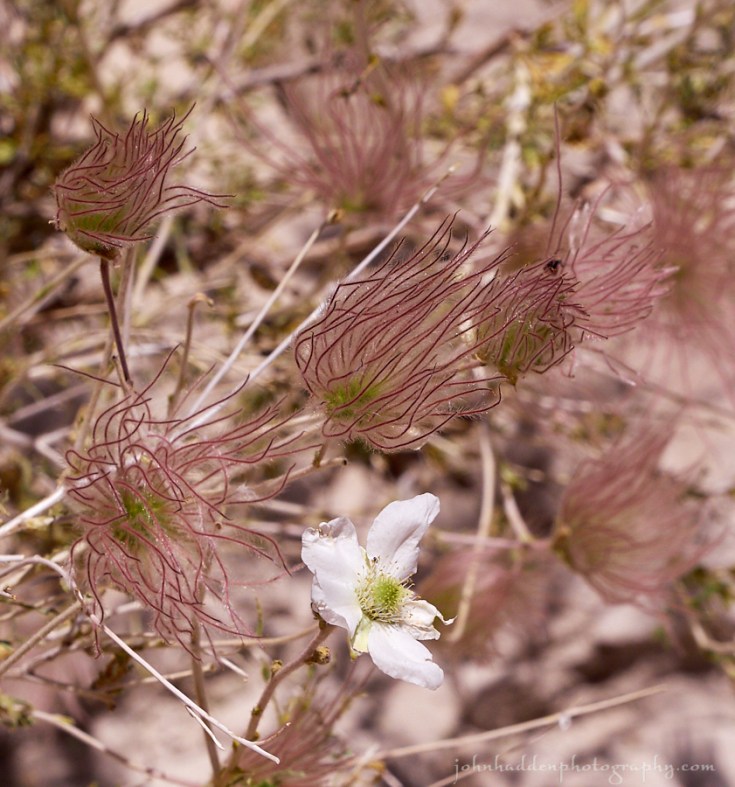
I came across this spectacular shrub while hiking in Plaza Blanca, New Mexico. I was drawn to the feather styles of the plant.
From Wikipedia:
“The flower of the shrub is roselike when new, with rounded white petals and a center filled with many thready stamens and pistils. The ovary of the flower remains after the white petals fall away, leaving many plumelike lavender styles, each 3 to 5 centimeters long. The plant may be covered with these dark pinkish clusters of curling, feathery styles after flowering. Each style is attached to a developing fruit, which is a small achene. The fruit is dispersed when the wind catches the styles and blows them away.”
Here’s a shot of the shrub in situ. Amazing that anything can grow out of solid rock!

 John Hadden Photography